
The Importance of Health Monitoring in Rugby
Rugby has always asked a lot of its players, and it can’t afford to stand still on player welfare. Toby Wildig on why player monitoring should be part of the sport’s duty of care.
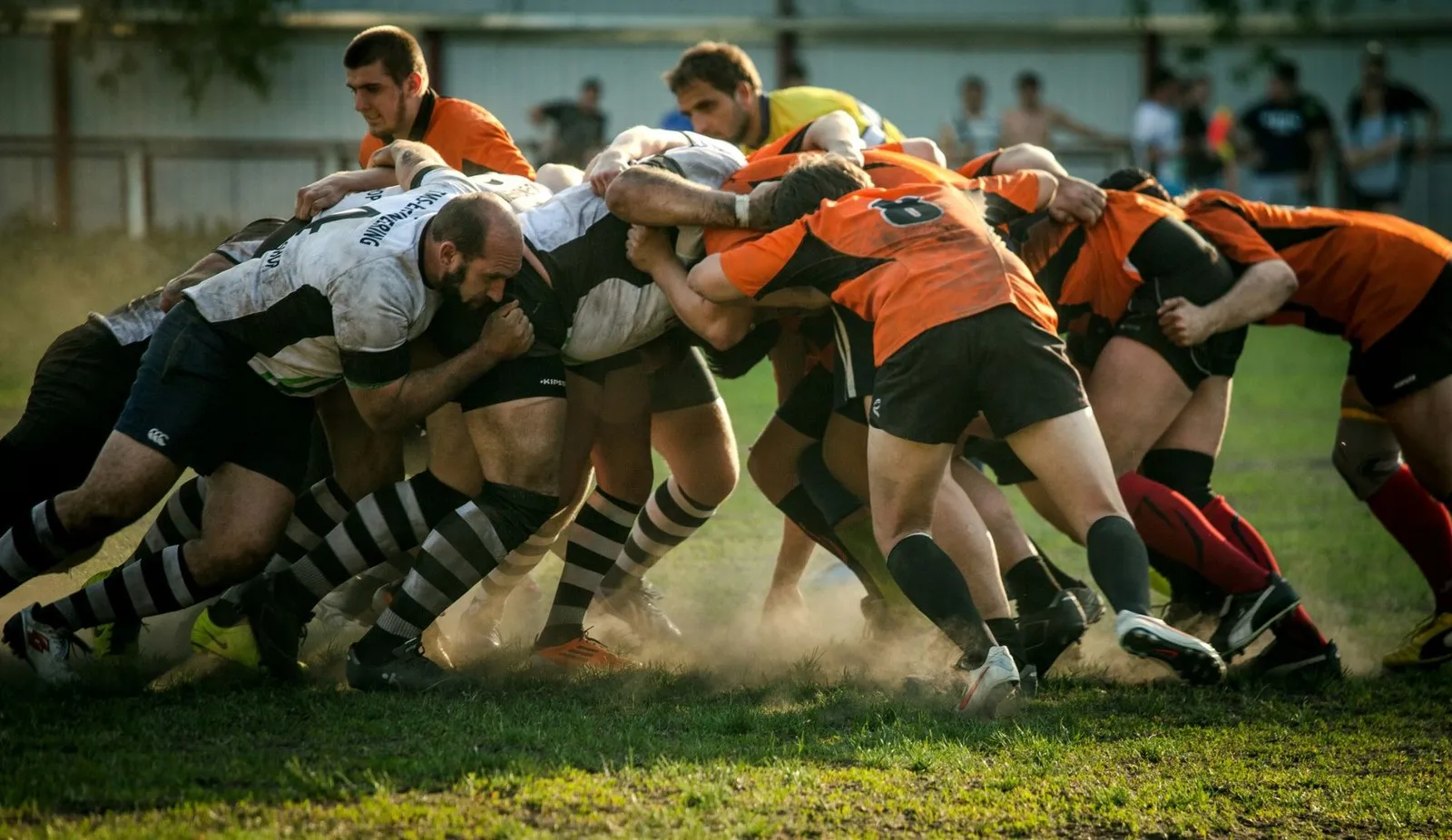
Rugby has always asked a lot of its players. It demands speed, strength, courage, endurance and repeated physical collisions under pressure. That’s part of what makes the sport so compelling, but it is also why rugby can’t afford to stand still when it comes to player welfare.
The injury debate around rugby isn’t going away. Concussion, workload, soft-tissue injuries, return-to-play decisions and long-term player health are now central to the future of the game. Those challenges exist across men’s and women’s rugby, but the women’s game also faces a specific moment of growth and opportunity.
As women’s rugby professionalises and attracts bigger audiences, more investment and greater commercial interest, it can’t simply inherit systems designed around male athletes. Female players need monitoring, support and performance insight that recognise their own demands, schedules, development pathways and injury risks. If rugby wants to grow responsibly, the welfare infrastructure has to grow with it.
That is where player health and fitness monitoring can be transformative.
Used properly, performance data isn’t about turning players into numbers. It’s about giving coaches, medical teams and athletes a clearer view of what is happening. How much load has a player carried? How well have they recovered? Are there signs of fatigue? Is someone returning too quickly after injury? Is a player consistently under strain across training, travel and competition?
Those questions matter in every format of rugby, but they become even more urgent in rugby sevens, which is fast, intense and unforgiving. Players are repeatedly asked to produce high-speed efforts, make tackles in open space, recover quickly and perform again with limited turnaround time. In a tournament environment, the margins between peak performance and injury risk can be very narrow.
That’s why our partner the Ultimate Sevens Championship is such an interesting case study. The competition has been created to present rugby sevens in a modern way, with men’s and women’s teams competing as part of the same athlete-led Championship. It combines elite competition, entertainment, digital storytelling and a new fan experience, but its potential significance goes beyond presentation.
By working with OPN as its Official Athlete Passport Provider, Ultimate Sevens has an opportunity to build player monitoring into the fabric of the competition from the outset. That means men’s and women’s teams can have access to connected performance information, including physical outputs, wellness data, availability, medical updates, training load and player profiles.
Too much athlete information in sport is still fragmented. Coaches may have one view, medical teams another, performance staff another, and players themselves may not always have clear access to the full picture.
A connected athlete passport can help create a single, shared view of the player, supporting better decisions around training, recovery, readiness and return to play.
For players, instead of relying only on instinct, memory or opinion, they can understand their own data and have more informed conversations with coaches, physios and performance staff. For coaches, it can support selection, rotation and training plans. For medical teams, it can help connect the dots before small warning signs become bigger problems.
That’s particularly important for female athletes, whose experiences have too often been under-researched, under-recorded or treated as an afterthought. Better monitoring won’t solve every issue, but it can help build a stronger evidence base for women’s rugby and give players more visibility over their own development and welfare.
The point isn’t that technology should replace human judgement: it should make human judgement better. The best systems simplify the job, reduce guesswork and give people earlier warnings.
Rugby will never remove risk completely, but it can get better at understanding risk, managing it and protecting those who make the sport worth watching.
Ultimate Sevens is showing how a modern rugby property can think differently from the beginning, with men’s and women’s players supported by the same commitment to performance, welfare and visibility.
If rugby is serious about protecting its future, player monitoring shouldn’t be seen as an optional extra. It should be part of the sport’s duty of care.